Blog
Stay up to date on the ever evolving battery industry!
Blog list
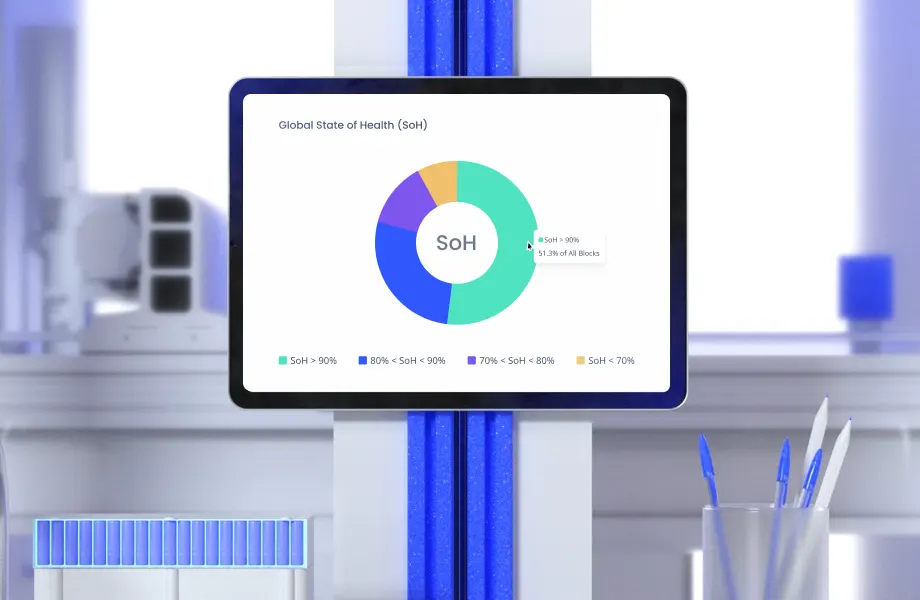
Battery State of Health (SoH): How to Check, Test & Price
Battery state of health (SoH), the share of original capacity a used battery still holds, largely decides its price and whether it's reused or recycled, so buyers and sellers need credible, well-documented SoH data, which the EU battery passport will require for EV and industrial batteries from 18 February 2027.

Battery Passport for BESS: Who Is Responsible in the EU?
From 18 February 2027, every BESS above 2 kWh in the EU needs a digital battery passport, created by whoever first places it on the market or puts it into service. That company stays legally responsible even if it delegates the work, so buyers should verify the passport and cover it in their contracts.
Why Battery Origin Matters in EU BESS Procurement
The European Commission's proposed Industrial Accelerator Act could introduce origin requirements for battery energy storage systems used in public procurement, auctions, and support schemes. Starting one year after the regulation enters force, BESS must be EU-made. With stricter component requirements after three years, potentially reshaping how buyers and suppliers approach the €28 billion European battery market.

EU Battery Passport: 71 Data Points Explained (2027)
The EU Digital Battery Passport becomes mandatory on 18 February 2027, requiring up to 71 data points across industrial, EV, and LMT batteries. Most companies face a critical challenge: the required data is scattered across engineering, supply chain, sustainability, and service teams and isn't structured for easy compliance.
5 Reasons First-Life Battery Inventory Becomes Surplus
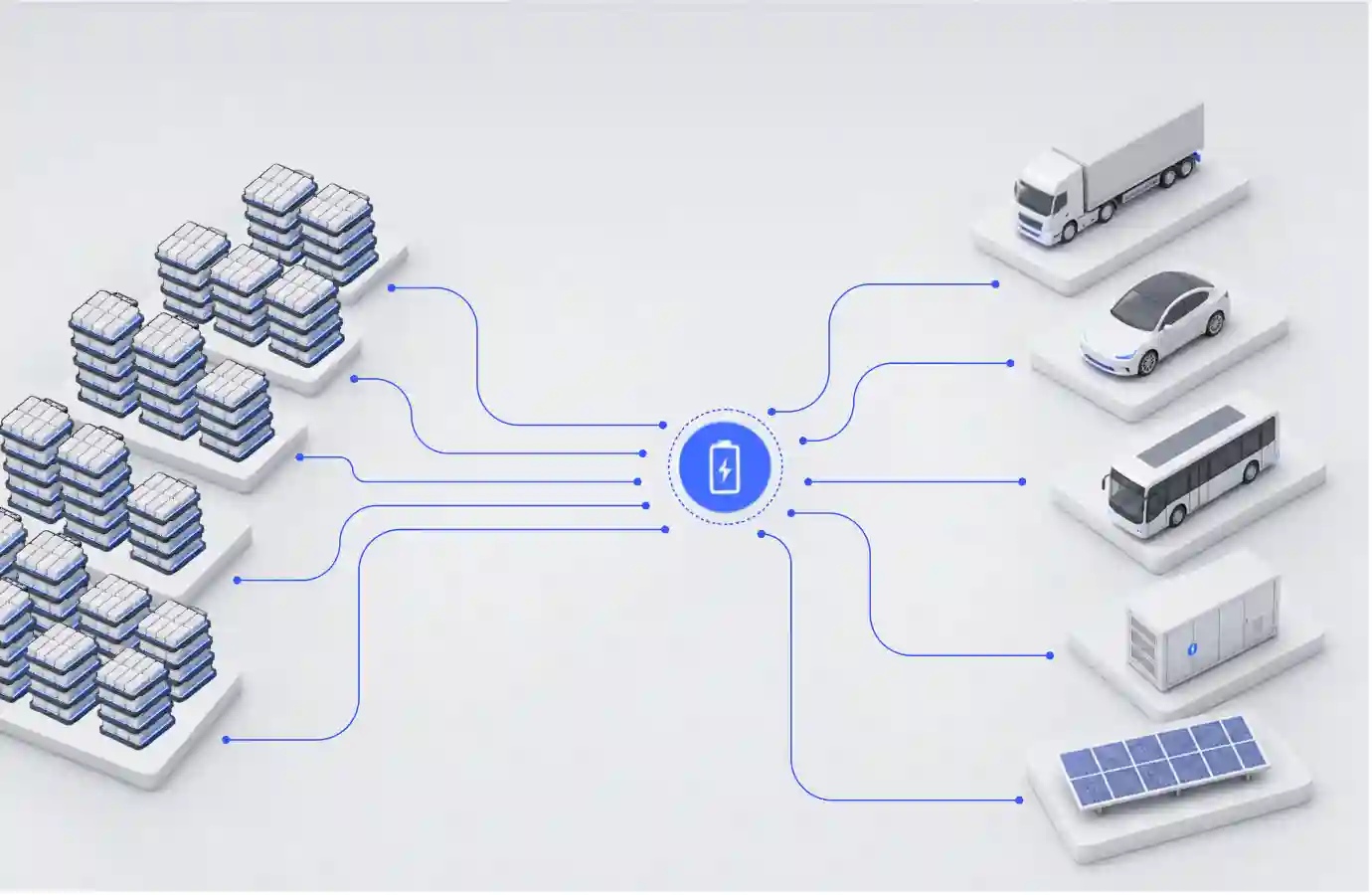
First-life battery inventory becomes available for practical reasons, including project delays, specification changes, excess procurement, long lead times, and discontinued products. This article explains how buyers and sellers can match surplus batteries with the right application and keep more stock in use.

EU Battery Rules 2027: What Suppliers Must Know Now
The EU's February 2027 Digital Battery Passport deadline requires Asian suppliers to deliver structured battery data and European buyers to build reception infrastructure. Early movers unlock second-life value and recycling efficiency, while 81% of companies with no plan face market exclusion.
Battery Routing: Trade, Repurpose, or Recycle?
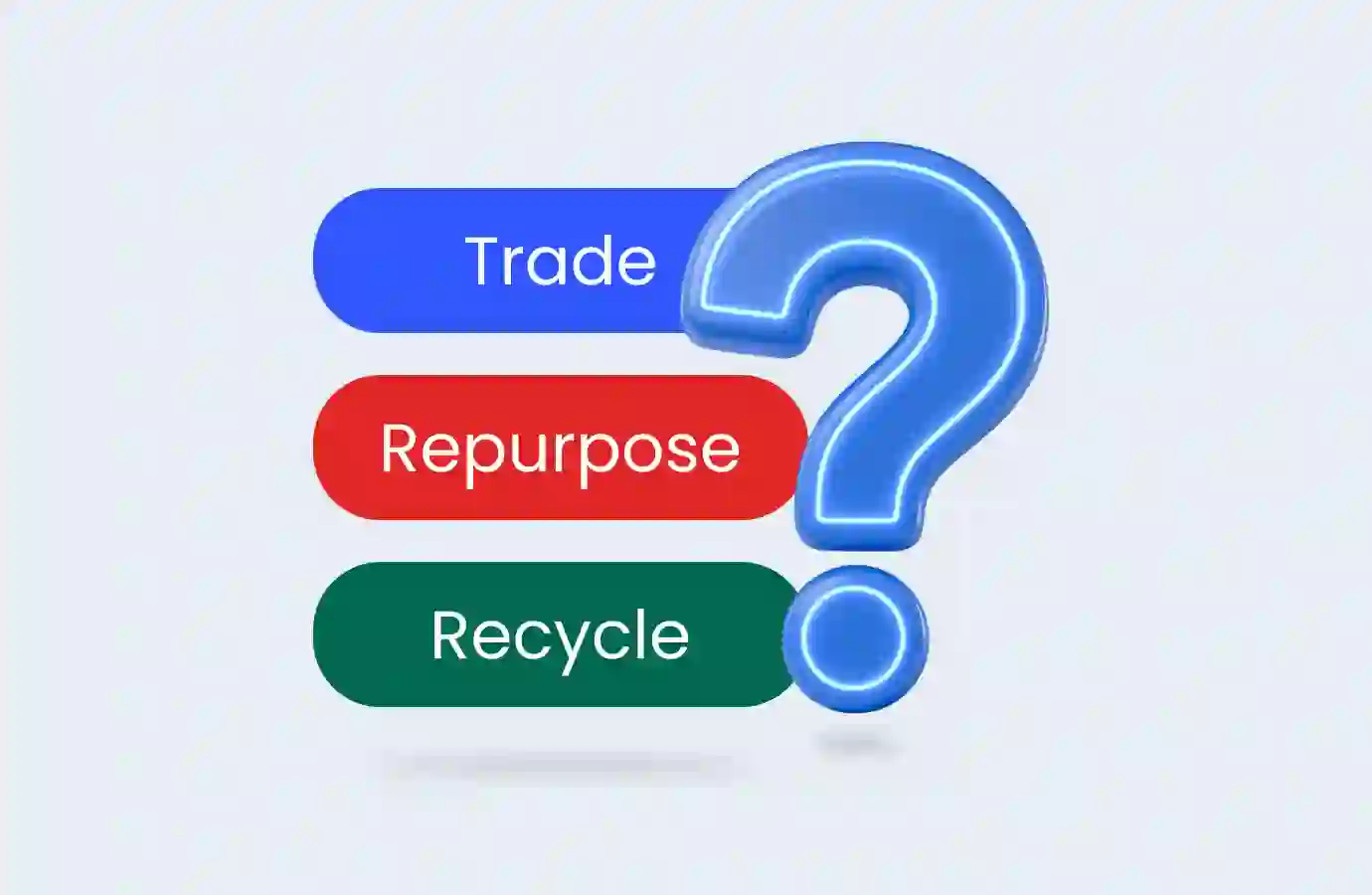
When a battery becomes available, the routing decision: trade, repurpose, or recycle, determines its next life and your return on investment. This guide shows you how to make evidence-based routing choices using State of Health data and EU Battery Regulation requirements.

Why Battery Deals Fail: 3 EU Market Transaction Risks
Three problems kill most battery transactions in Europe and they show up too late, after both parties are committed. Locked BMS data blocks verification. Format mismatches force costly rework. Undefined EPR liability creates legal risk no one will accept. Whether you're buying or selling surplus stock or second-life batteries, this guide shows you how to surface these issues early and fix them before they sink your deal.

Stranded Battery Capacity: Verified Data Solution
Europe has billions in unused battery inventory. Not from low demand, but missing verified data. Discover how: Battery Passport compliance, State of Health verification, and evidence standards are unlocking the secondary battery market and turning stranded capacity into tradable assets.
Your weekly charge of battery industry news from around the world, straight to your inbox. By Circunomics

answer all your questions!

answer all your questions!

answer all your questions!