The race to a fossil-free future relies on how we generate electricity from solar energy and wind energy. Battery energy storage systems (BESS) are the key technology that makes this possible – it’s about storing the energy when the sun sets and the wind stops.
BESS, especially those using repurposed "second-life" lithium - ion batteries, provide a strong way to transition to renewable energy integration. They help reduce our reliance on fossil fuels and support a circular economy.
The Challenge – Sustainable Energy Solutions Without More Mining
Renewables don’t arrive on a timetable. Clouds move in, the wind tapers off, demand spikes after sunset– and clean kilowatt-hours get curtailed while gas “peakers” step in to cover the gap. At the same time, a growing wave of EV batteries is reaching end-of-life. Without a clear path, those packs drift toward e-waste and regulatory headaches instead of becoming part of the solution.
Mining more lithium, nickel, cobalt, and manganese only shifts the problem downstream, pushing pressure onto ecosystems and already strained supply chains. The task in front of us is simple to state and hard to execute: Make clean power reliable without digging the hole deeper.
The Solution – BESS Powered by Second-Life Batteries
Battery Energy Storage Systems (BESS) are modern systems that store energy for later use. They allow us to use renewable power even when the sun isn't shining or the wind isn't blowing. A powerful use of this technology is "second-life" batteries. These are repurposed electric vehicle (EV) batteries that still have 70–80% original capacity left.
This method provides great environmental benefits. It reduces e-waste, cuts down the need for new mining, and lowers the carbon footprint of energy. Challenges still exist in common rules, safety, and regulation. However, BESS is important for a sustainable energy future, especially with a focus on a circular economy.
The Foundational Role of Battery Energy Storage Systems (BESS)
BESS are not just a technological accessory; they are a fundamental component of the modern energy grid. They address the inherent inconsistency of renewable energy sources and ensure a stable and reliable long term power supply.
Maximizing Renewable Energy Usage
Solar and wind power are variable, generating energy only under specific conditions. Without storage, excess energy produced during periods of high output would simply be wasted.
BESS solves this problem by storing extra energy. It makes this energy available when demand is high or when renewable energy is low. This "peak shaving" and "load leveling" help use clean energy better. They also improve the overall efficiency of the grid.
Reducing Reliance on Fossil Fuels and Lowering Emissions
Traditionally, fossil fuel-based power plants have provided "baseload" power to keep the grid stable. BESS can significantly reduce this dependency by providing stored renewable energy during peak demand times. This cuts down the need to use "peaker plants" that usually run on natural gas. This leads to less air pollution and fewer harmful greenhouse gas emissions.
Improving Grid Stability and Resilience
The variability of renewable energy can sometimes destabilize the electricity grid. BESS acts as a buffer, balancing these fluctuations and providing a more resilient grid. This is important for stopping blackouts and brownouts. It helps ensure a steady energy supply as we move to renewable sources.
The Critical Role of Energy Management Systems (EMS)
To fully realize the potential of BESS, sophisticated Energy Management Systems (EMS) are essential. These systems monitor, control, and optimize BESS performance in real-time. They use predictive analytics to forecast energy demand and supply, which allows operators to strategically charge and discharge batteries. This not only improves efficiency and reduces waste but also ensures seamless integration of BESS with smart grids.
The Power of the Circular Economy: Second-Life Batteries in BESS
The biggest environmental benefit of BESS comes from a circular economy. This means using "second-life" batteries from electric vehicles for energy storage.
%201.png)
Reducing Waste and E-Waste Pollution
When EV batteries reach the end of their life in a vehicle, they have historically been recycled or disposed of. Improper disposal can cause toxic chemicals from batteries to leak into the soil and water. This creates serious environmental risks.
Using these batteries for BESS prevents mining for several years. This greatly reduces e-waste and lowers environmental risks.
Minimizing the Need for New Raw Materials
Making new batteries needs a lot of resources. It needs many raw materials, such as lithium, cobalt, and nickel. Mining these materials can harm ecosystems. It can lead to air and water pollution and use up resources.
By utilizing second-life batteries, we decrease the demand for new mining operations and conserve precious natural resources.
Lowering the Carbon Footprint of New Manufacturing
The carbon footprint of making a new battery is large. This is mainly because of the energy needed to get raw materials and create the final product. When second-life batteries are used, we avoid the emissions associated with manufacturing new batteries for BESS.
This helps a battery last longer without increasing emissions. This makes the energy storage system more sustainable.
Enhancing Cost-Effectiveness and Capacity to grow
Beyond the environmental benefits, second-life batteries are often less expensive than newly manufactured ones. This affordability makes large-scale BESS projects more financially viable, which encourages wider adoption of energy storage systems. By making clean energy storage easier to access, we can help move away from fossil fuels. This will speed up the transition to a cleaner energy grid.
Challenges and The Path Forward
While the benefits are clear, there are significant hurdles to overcome to scale BESS and second-life battery solutions.
Battery Aging, Safety, and Regulations
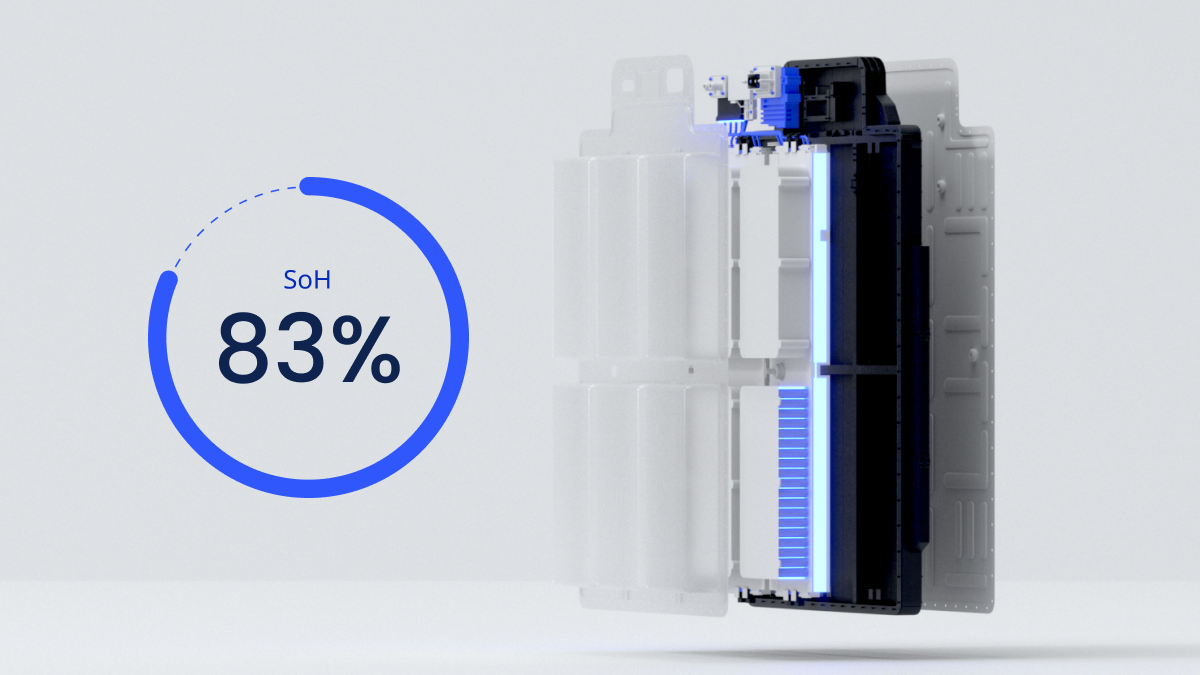
A primary concern with any battery system is degradation over time, which can impact performance and safety. As lithium ion batteries age, they can lose capacity and pose a higher risk of malfunction. It is important to use strong safety measures and follow strict rules, especially in places like Germany.
The Need for Common Rules and Better Recycling
One of the key challenges with second-life batteries is that EV battery designs are not standardized. They vary widely in size, chemistry, and performance, which complicates the repurposing process. Additionally, while the use of second-life batteries extends their life, they will eventually need to be recycled. Improving the cost and efficiency of recycling technologies is important to fully "close the loop" on battery life.
Overcoming Technical and Economic Hurdles
The process of testing and repurposing a used battery is complex. It requires significant investment in diagnostic tools and refurbishment processes.
The economic viability depends on the cost of new batteries. It also relies on the market for grid services. This market can change frequently.
Partnerships and The Future of BESS
The future of BESS is dependent on collaboration and innovation. Partnerships between different sectors are essential to advance the technology and accelerate adoption.
A Collaborative Approach for Sustainability
Circular storage is a team sport. Circunomics connects the dots so verified supply meets qualified demand and every asset has a clear, responsible path to end-of-life.
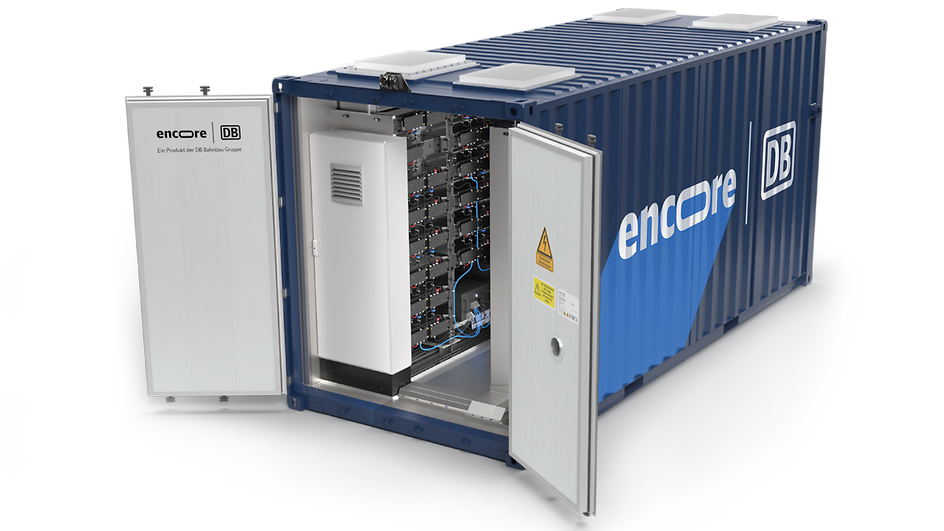
“By working with encore | DB, we give batteries a second life. This saves raw materials, lowers the carbon footprint, and ensures old batteries are recycled into new ones.” – Felix Wagner, CEO & Co-Founder, Circunomics.

We’re proud to feature partners like encore | DB and to surface their BESS offerings on the Circunomics Marketplace – quality products, transparent data, circular outcomes.
The Role of Battery Passports and Data Analytics
To enhance trust and efficiency in the second-life battery market, the article highlights the importance of battery passports. These digital records provide detailed information on a battery's history, condition, and performance. With data analytics, these passports guide smarter choices for a battery’s journey from EV use to BESS and finally recycling.
Conclusion: Building a Greener Tomorrow
Battery energy storage systems, especially those that leverage second-life batteries, are a cornerstone of a sustainable energy future. They solve the critical problem of inconsistency in renewable energy, reduce our dependence on polluting fossil fuels, and build a powerful circular economy. Solving today’s challenges with innovation and teamwork will help BESS reach its potential and support a sustainable future.